
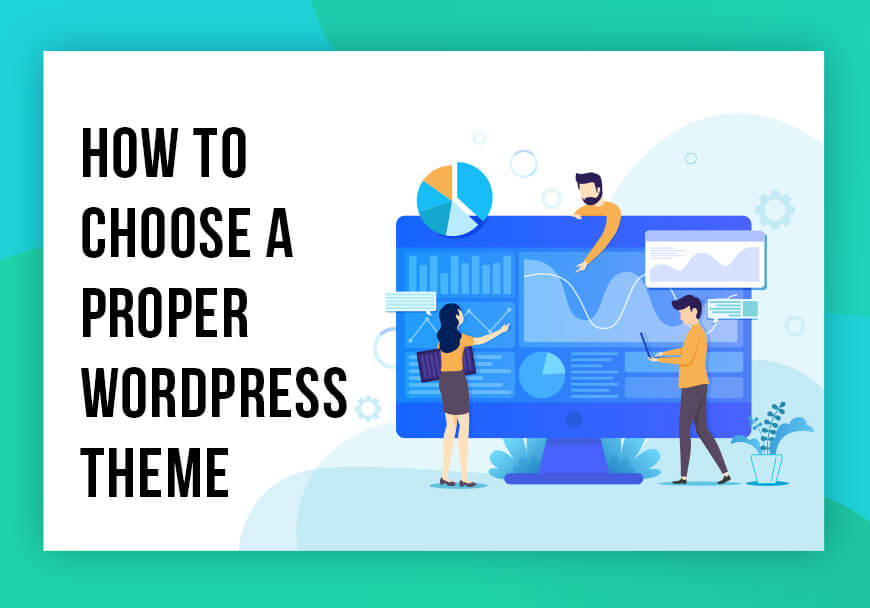
If your site looks fine but feels slightly off, or nobody clicks, the theme is usually the first suspect. It’s also the hardest thing to change later, once you’ve written twenty posts and built a menu around it.
So before you install anything, here’s what a WordPress theme actually is and the eight things worth checking. In WordPress, a theme is a collection of templates and stylesheets that define how your site looks and displays. You pick one that suits your taste and your requirements, and you can modify it later with plugins or by adding code to the functions.php file. That last part is worth knowing before you fall in love with a demo.
Every theme has three working parts, plus images and JavaScript files: the style.css file, the template files, and an optional functions.php. Every theme must have a unique style.css file. Not unique styles, mind you, unique identifying information in the header. Duplicate that and installation goes sideways. If it isn’t a child theme, it also needs at least an index.php template file to control how content displays.
Which WordPress theme should I choose?
With thousands of themes on the market, the choice gets overwhelming fast. Keep these eight checks in mind and most of them fall away on their own.
- Brand identity: through layout and design, you communicate your brand. Pick designs that are closer to what you want. Don’t forget to use the DEMO to test how features actually work;
- Features: make a list of critical features and choose only those you need;
- Responsive: most WordPress themes are responsive by default now, but there are still sellers pushing fixed-width layouts that aren’t mobile-friendly at all;
- Cost: free WordPress themes do not come with guaranteed support and updates, so do consider buying a premium version in the future;
- Browser compatibility: most developers test rigorously with browser compatibility tools. In case they don’t, run some basic tests yourself on Chrome, Firefox, Safari and whatever else your visitors use;
- Supported plugins: make sure your theme supports the popular plugins you plan to use. If you are unsure, ask the developer;
- Multilingual ready: you may be building a site in a language other than English, so make sure the theme is translation ready and supports multilingual plugins;
- Support options: pick a theme with good documentation and a support option. Most premium themes include detailed docs and a year of email-based support.
And so, and so, the list can continue. But eight is enough to filter most of the field.
How do I test a theme before I commit?
Two things, and they take an afternoon. First, open the live demo on your phone, not just your laptop. Click the menu, scroll a long page, tap a button. Half the themes that look elegant on a desktop monitor get clumsy in a hand. Second, run the theme on a staging copy with a couple of your real posts in it. Demos are filled with placeholder text that never wraps awkwardly and images that are always the perfect size. Your content won’t be.
Should I pick a free or a paid WordPress theme?
Preparation is half the battle, so here’s the comparison worth reading before you spend anything. One of the safest places to download WordPress themes is the WordPress.org Theme Directory, where every theme gets a look before it’s listed.
Free WordPress Themes
- Free to install;
- Available on WordPress.org and individual sites;
- Support available from the WordPress forum community;
- Updates dependent on the “artist”;
- Code quality varies widely depending on the skill of the “artist”;
- Sometimes contains malicious code when downloaded outside of WordPress.
Paid WordPress Themes
- Starting from $10 and it can go up to $100+;
- Available from theme maker sites like ThemeForest, etc.;
- Support available from theme makers for a period of time;
- Code quality usually more professional;
- Usually able to customize design more, if you need to;
- Less likely to contain malicious code, as it’s regularly updated by developers.
My honest read: a free theme is fine to start with, but if you’re building a business site you’ll probably pay for support eventually. Pay for it on purpose rather than in a panic.
What should I avoid?
A theme that needs five companion plugins to look like its demo. A theme whose last update was three years ago. And a “premium” theme from a site you’ve never heard of, especially if it’s free. If a deal looks too good, check what it’s bundling. If you want a second opinion on where to look, our roundup of 10 WordPress themes worth considering is a reasonable next stop, and if speed is your worry, the fastest free themes are worth a look before you pick.
Hopefully this has given you some ideas to narrow down your selection. The theme decision gets easier once you stop shopping for the prettiest demo and start checking whether it survives your actual content.
I’d really like to know how you chose your current WordPress theme. Did you find it in the WordPress repository, on ThemeForest, or did someone recommend it? Any tips for people looking for their first theme? Leave a comment and tell us.




No Comments